The way we eat has changed
Our tables are brighter, more global, and more vegetable-forward than ever before. Meals are built around fresh ingredients, shared plates, bold flavors, and dishes influenced by cuisines from around the world.
White wine belongs here
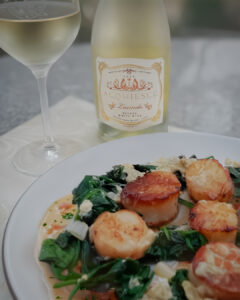
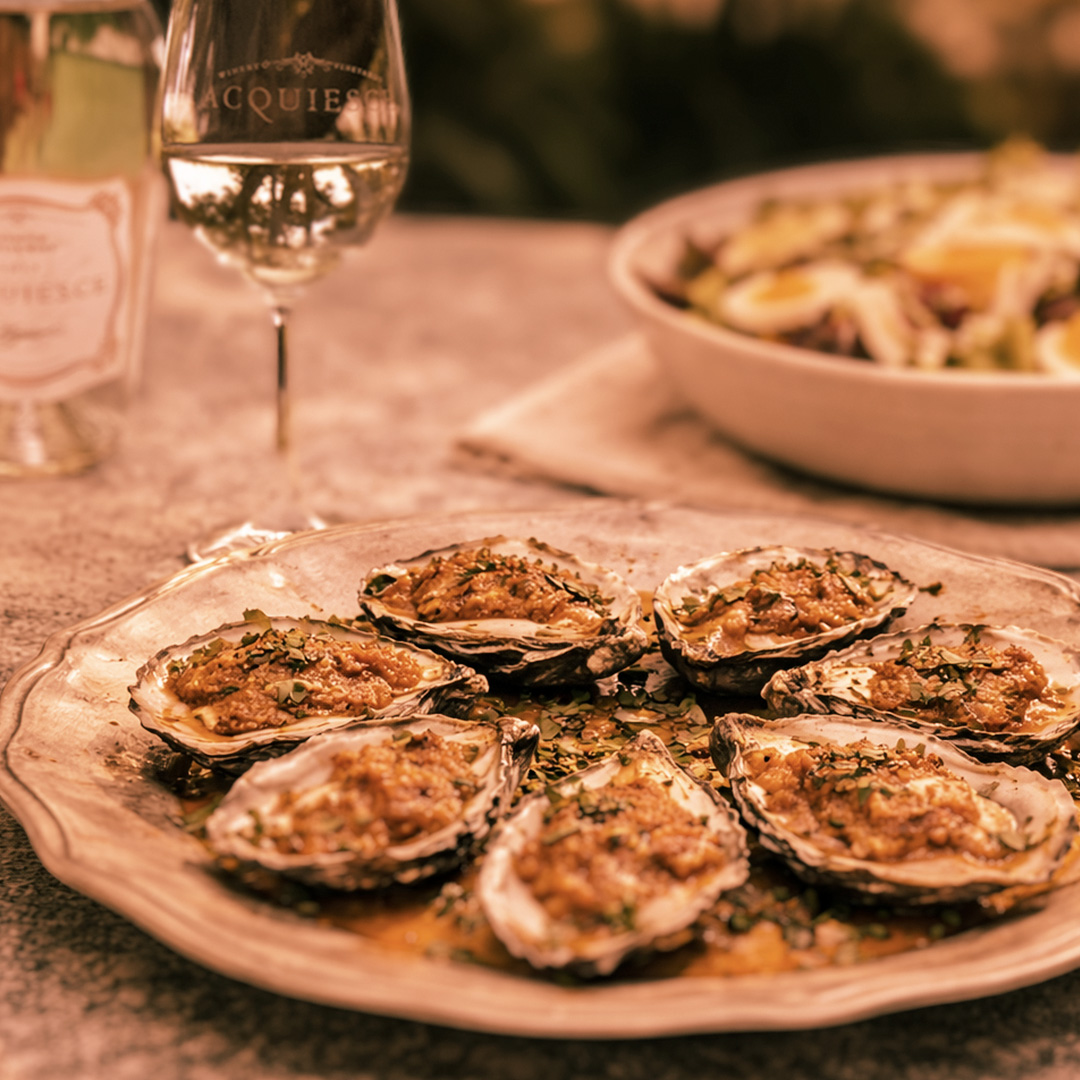
Its natural acidity, texture, and aromatics complement modern food in a way heavier wines often can’t. From seafood and vegetables to herbs, spice, and umami, white wine enhances what’s on the plate without overpowering it.
At Acquiesce, this isn’t a trend. It’s a philosophy we’ve believed in from the beginning. We built our winery around white wines because they reflect how people actually cook, gather, and eat today.
White wine isn’t lighter by compromise. It’s lighter by design.
History of Food Over the past 80 years
Food culture moves like a tide, not a switch. What people cook, crave, and celebrate at the table has shifted steadily over the past 70–80 years, pulled by health, immigration, travel, climate, and curiosity.
The Red Meat Era (1950s–1970s)
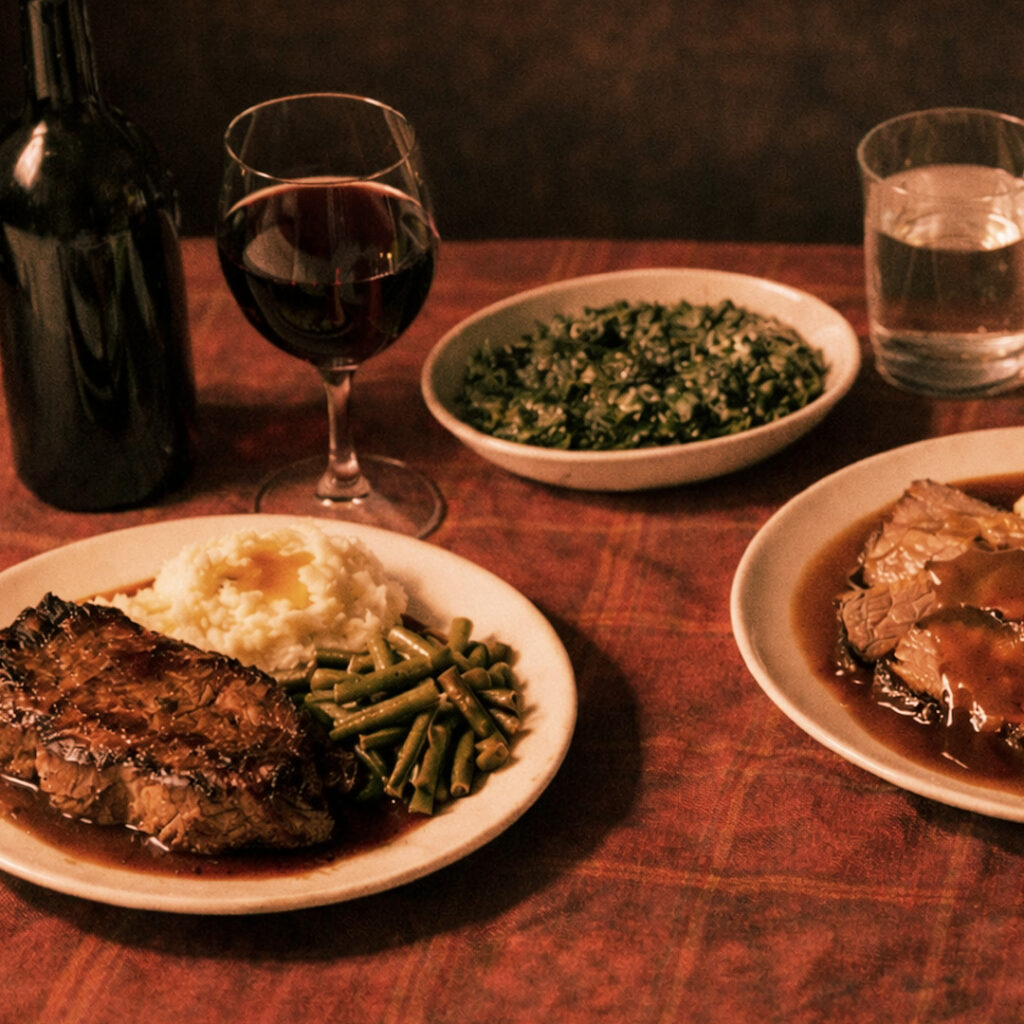
Hearty, protein-centered, celebratory
Post–World War II America leaned into abundance.
- Red meat symbolized prosperity and strength
- Meals centered on steak, roasts, chops, and gravy
- Vegetables were sides, often canned or overcooked
- Wine, when present, favored big reds to match the weight of the food
This was food as fuel and status.
The French & Continental Influence (1970s–1980s)
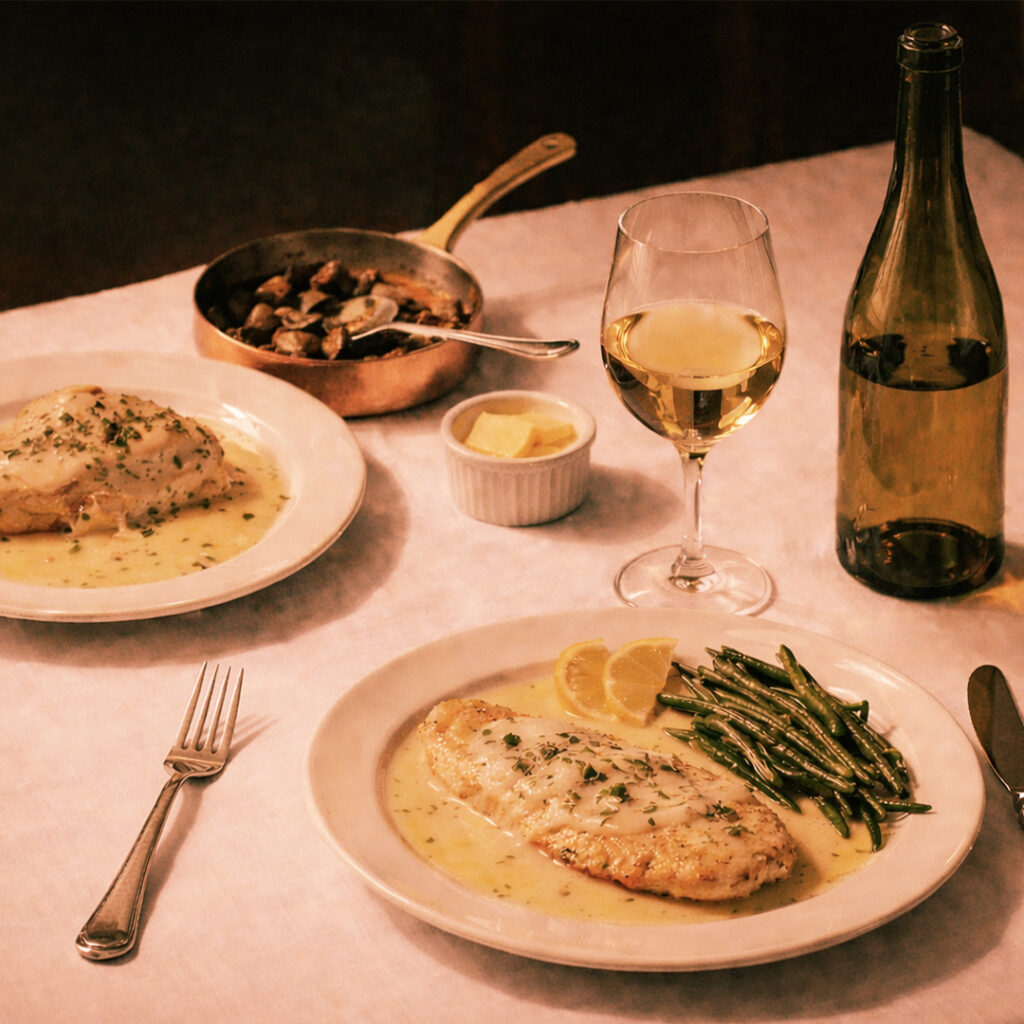
Technique enters the kitchen
As Americans traveled more:
- French cuisine shaped restaurant culture
- Butter, cream, and sauces gained respect
- Lighter proteins like fish and chicken became more common
- White wines gained visibility, though reds still dominated prestige
Food became more refined, less purely about size.

The Birth of California Cuisine (Late 1970s–1990s)
Seasonal, fresh, ingredient-driven
California cuisine quietly changed everything.
- Emphasis on local produce, freshness, and simplicity
- Chefs like Alice Waters prioritized farmers, not formulas
- Olive oil replaced heavy sauces
- Dishes became brighter, cleaner, and more vegetable-forward
This was the moment when white wine truly found its footing, pairing effortlessly with freshness and nuance.
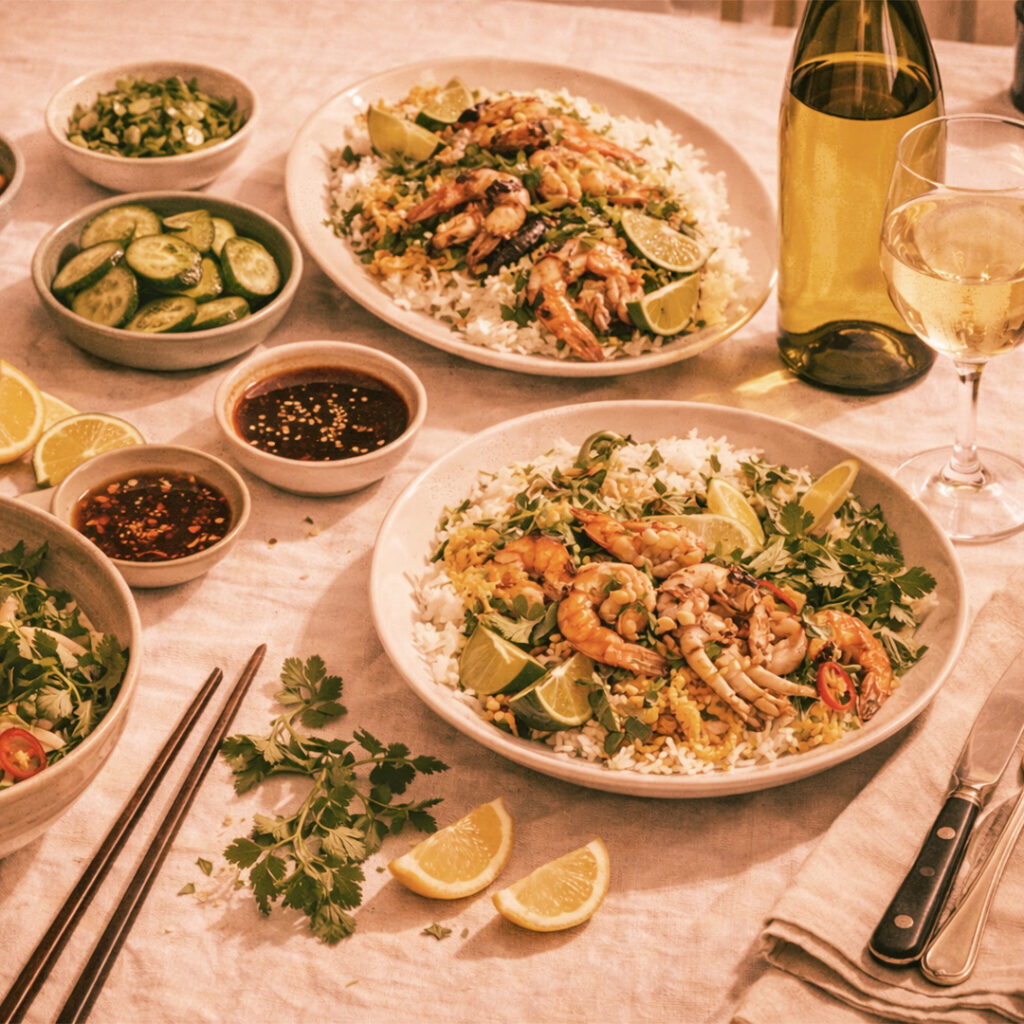
Global Flavors Take the Stage (1990s–2000s)
Immigration and curiosity reshape the table
Asian, Mediterranean, and Latin cuisines moved from “ethnic” to everyday.
- Japanese, Thai, Vietnamese, Korean, and Chinese flavors became mainstream
- Spices, acidity, umami, and heat redefined balance
- Seafood, noodles, rice, herbs, and fermented flavors flourished
Heavy red wines struggled here. White wines thrived.
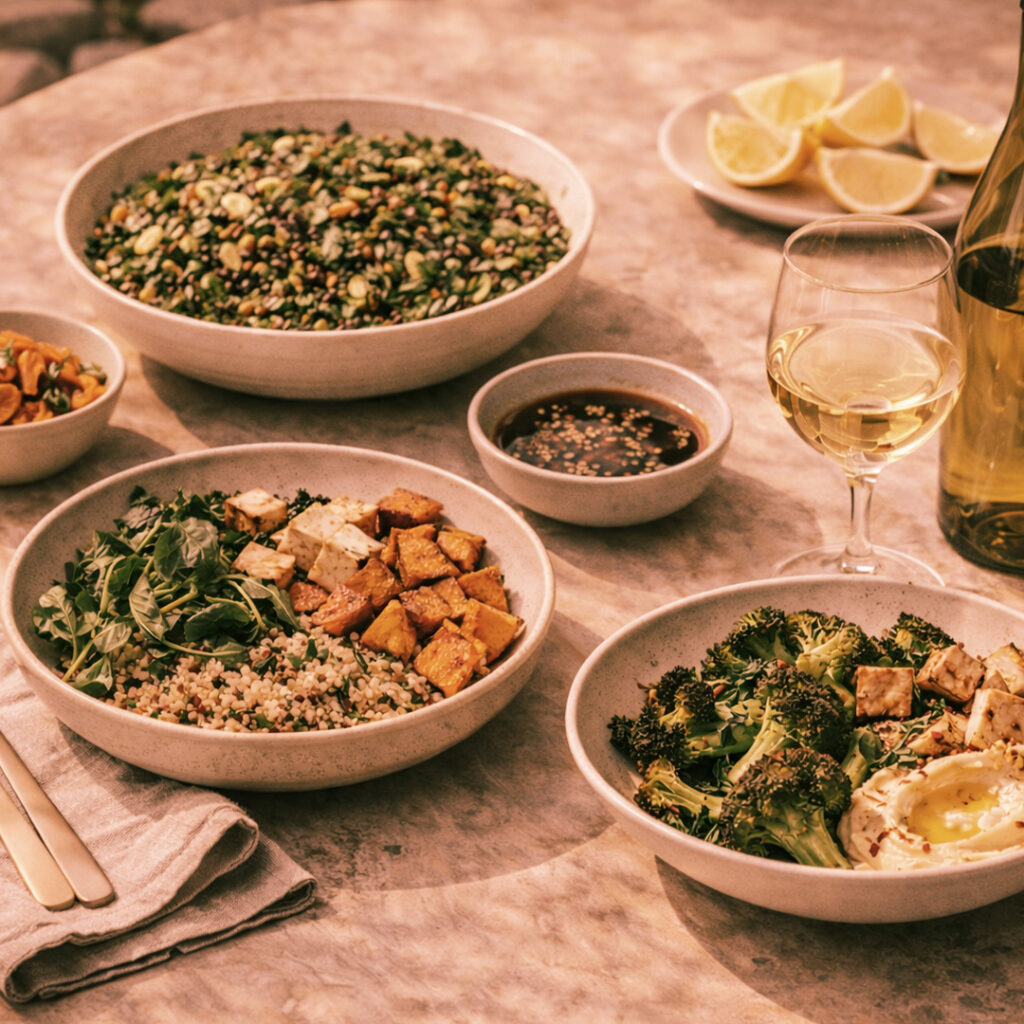
Health, Ethics & Plant-Forward Eating (2000s–2010s)
Food with intention
People began asking:
- Where did this come from?
- How does it affect my body?
- What’s its environmental cost?
As a result of these questions:
- Rise of vegetarian and flexitarian diets
- Lighter proteins, grains, legumes, and vegetables at the center
- Clean flavors, less heaviness
White wines became the natural companion, adaptable and food-friendly.
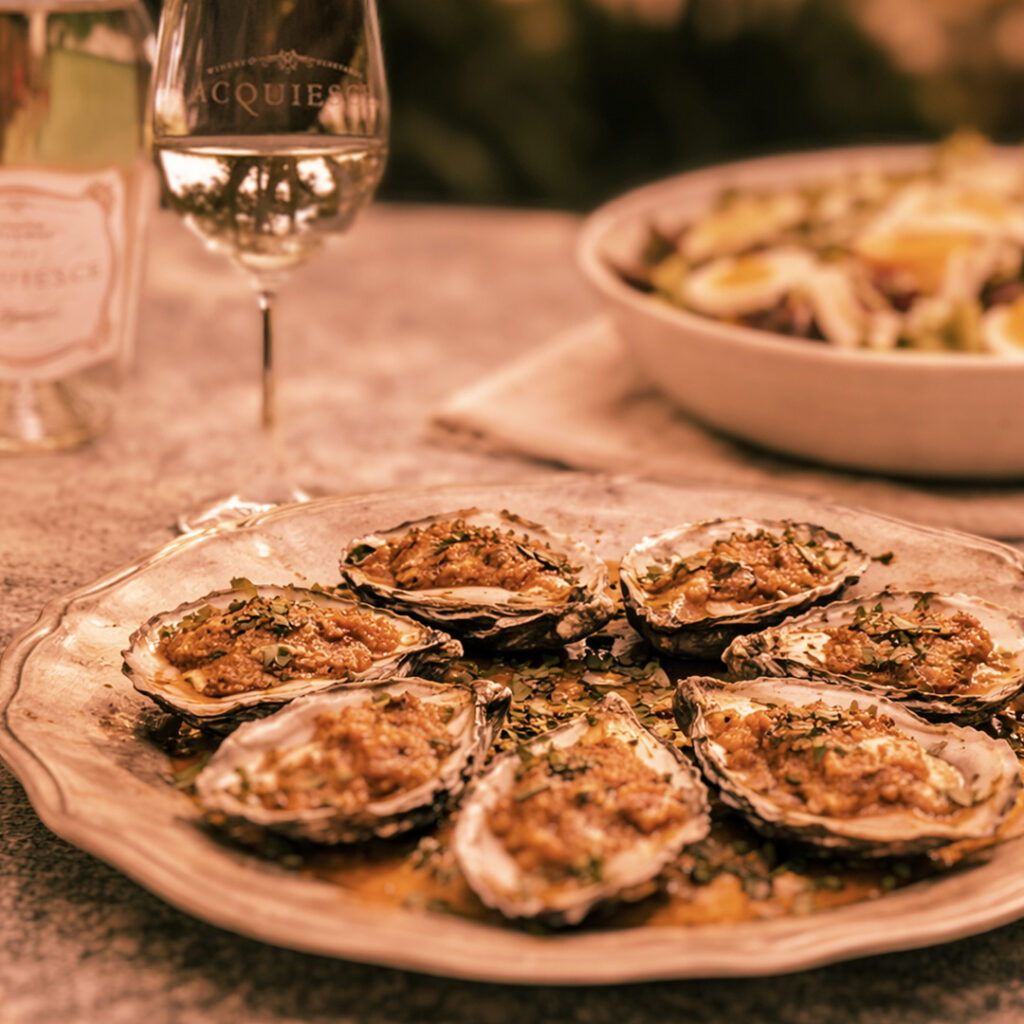
Today: The Modern Table (2020s)
Diverse, flexible, and global
Modern eating is:
- Culturally blended
- Vegetable-forward
- Flavor-driven rather than meat-driven
- Designed for sharing, grazing, and pairing
A single table might include:
- Roasted vegetables
- Fresh herbs
- Seafood or tofu
- Bright sauces and spices
- Global influences in one meal
This is white wine’s moment, not as a trend but as a reflection of how people actually eat.
The Big Takeaway (and Why it Matters)
Food has moved
From heavy → fresh
From meat-centered → ingredient-centered
From uniform → global
From indulgence → balance
White wine fits this evolution seamlessly. Red wine still has its place, but modern cuisine asks for:acidity, texture, aromatics, and versatility.
Which is exactly where thoughtful, food-driven white wines shine.