Sustainable Vineyard Management at Acquiesce
As we approach the cusp of the growing season, naturally conversations shift from winemaking to wine growing. There’s a tricky two-pronged thought process to this; short-term and long-term goals.
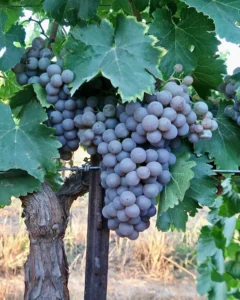
Current philosophy dictates that what we do today affects us tomorrow. For example, cuts we make during pruning this season not only set up yields for 2026, but affect the plant itself 10, 20, 30 years from now. If we can satisfy both simultaneously, why wouldn’t we. Every farming decision we make now gets framed into this perspective. Can we give the vines the nutrition they need this year while building a healthy foundation for next year? Can we apply the necessary water this year and conserve some in the aquifer for next year? Can we do this today and be set up for tomorrow? Our farming mindset is built around these types of question because our goal is superior fruit this year and superior fruit in 30 years. To achieve this, our vineyard must be around for that long. Sadly, vineyard longevity isn’t commonplace anymore.
Current industry woes aside, our farming practices, as a collective industry, only prioritize today. As many of those who keep up on Acquiesce happenings know, we’ve moved to a holistic farming approach that prioritizes the future. Here is a chronological view of the major changes made accompanied by their reasoning.
Timeline of holistic growth at Acquiesce
2022: Evaluating our Roots
Review of Practices
What are we doing now and where can we improve? Base practices were good and we discovered areas that could be elevated. With the unpredictability and intensification of climatic conditions, we refocused on building resilience into the vineyard. This meant shifting the perception of soil as a medium for growth to soil as the foundation of growth. We had to step back and let the soil microbiome do what it’s done for millions of years. Our job is now to support this system.
2023: Building Resilience
Strategizing for Soil Health
Determining the order of operations had to start with what was most impeding to the microbiome and what would enable it to thrive. This required an inventory of our chemical inputs (insecticides, fungicides, herbicides, and fertilizers) and anything that got put into the soil. It’s vital that we don’t shock the system by moving too fast, so we planned to attack each input one at a time and move to the next when the system allows us.
First Implementations
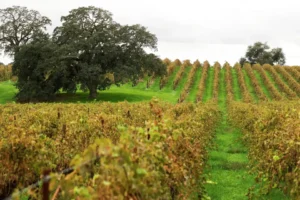
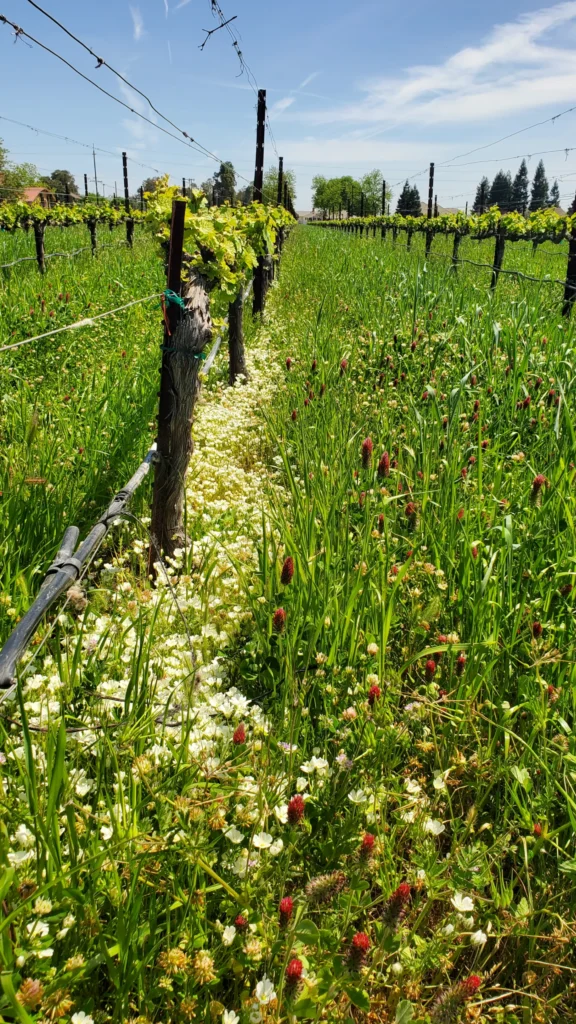
In 2023, herbicides were eliminated from our common practice. Plant life and soil microbes have evolved hand in hand, and roots in the ground are important for many reasons such as water infiltration, aeration, erosion control, biodiversity, etc. In its place, to outcompete weeds (which also included a lot of weed whacking!), the new standard practice will entail cover cropping the entire vineyard floor. This aids in building organic matter while feeding soil microbes which ultimately have a symbiotic relationship with the vines. Additionally, increasing organic matter by just 1% can store up to 20,000 gallons of water. Began taking and tracking soil samples.
2024: Harnessing Natural Systems
Integrating Pest Management & Biodiversity
Undervine mower: manual weed whacking sucked; and that’s all I have to say about that.
Crimper: mowing in row is common practice, but it leaves room for weeds to get sunlight and grow in the summer months. Instead, we had a roller crimper built. Essentially, it’s a weighted rolling pin with organized protrusions that act as pinch points. When the cover crop is tall and mature enough, you run it through with a tractor where it folds it down and pinches at the stem effectively terminating the cover crop. This creates a mulch layer that doesn’t allow weed seed to get light, traps soil moisture, disperses cover crop seed that can flood the weed seed bank, and keeps soils cooler.
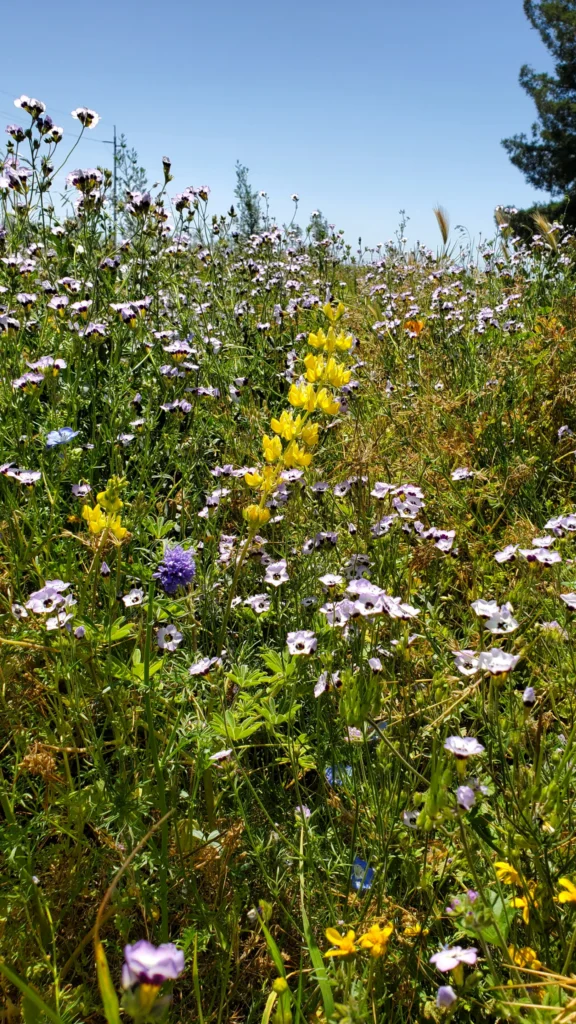
Native wildflower installation: establishing natives isn’t easy and it takes time. Once we get to the point of pulling back on the few insecticides that we use (we’ve already made organic progress here), we will rely more on native, natural predators which need refuge in the off season. If we can get their homes established by then, we’ll be ahead of the game.
Compost: broadcasting compost at a high rate focuses on the vineyard as a whole, not just the undervine area. This is a natural fertilizer that provides nutrients the same year and following years as it’s slower to break down.
Bird boxes: we installed 6 blue bird boxes around the vineyard. Great for pest control, as they have a broad diet that includes mealybug (the #1 pest of concern in Lodi). Owl boxes are next.
2025: Investing in Longevity
Livestock, Smart Tech, & Precision Techniques
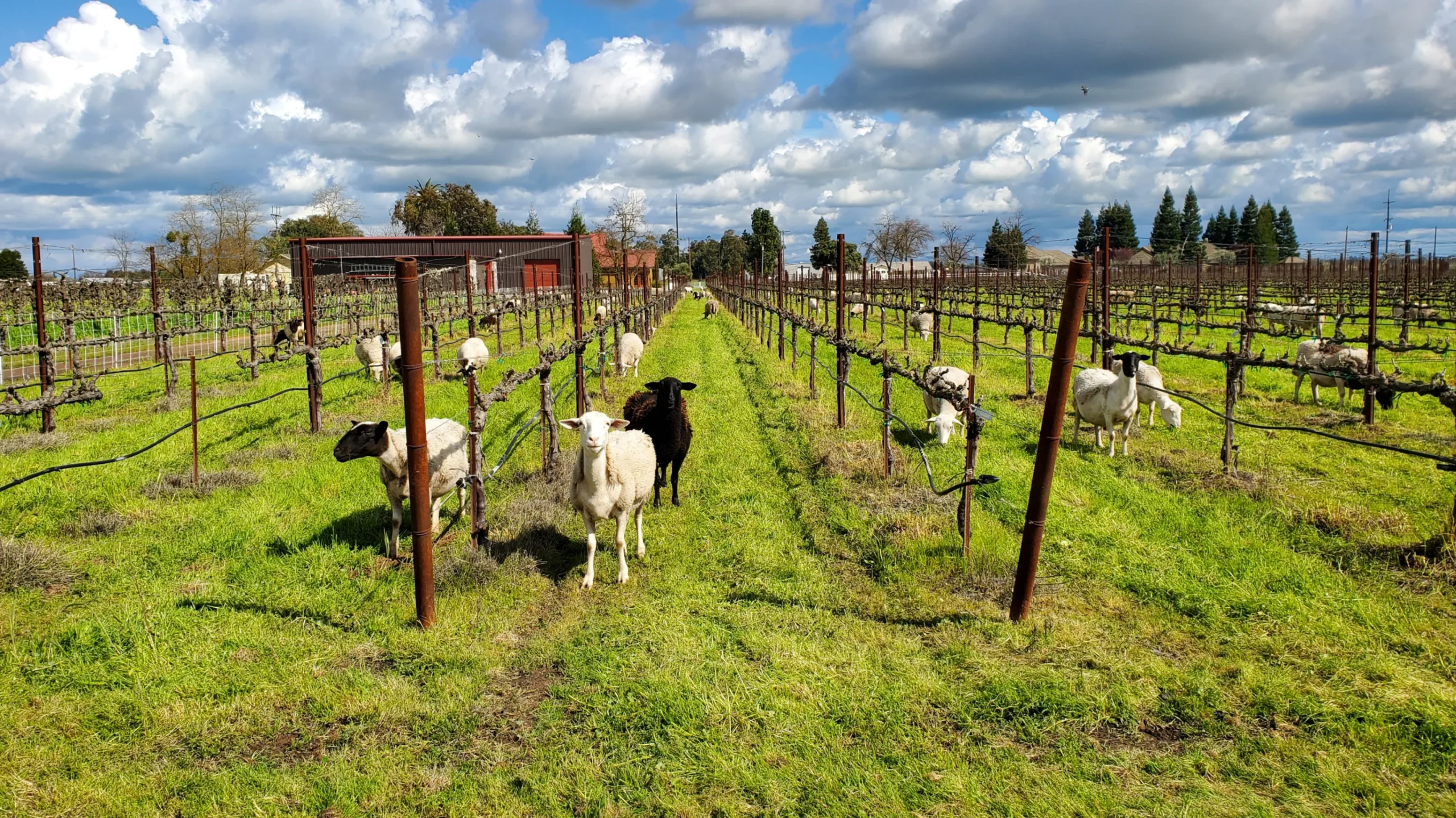
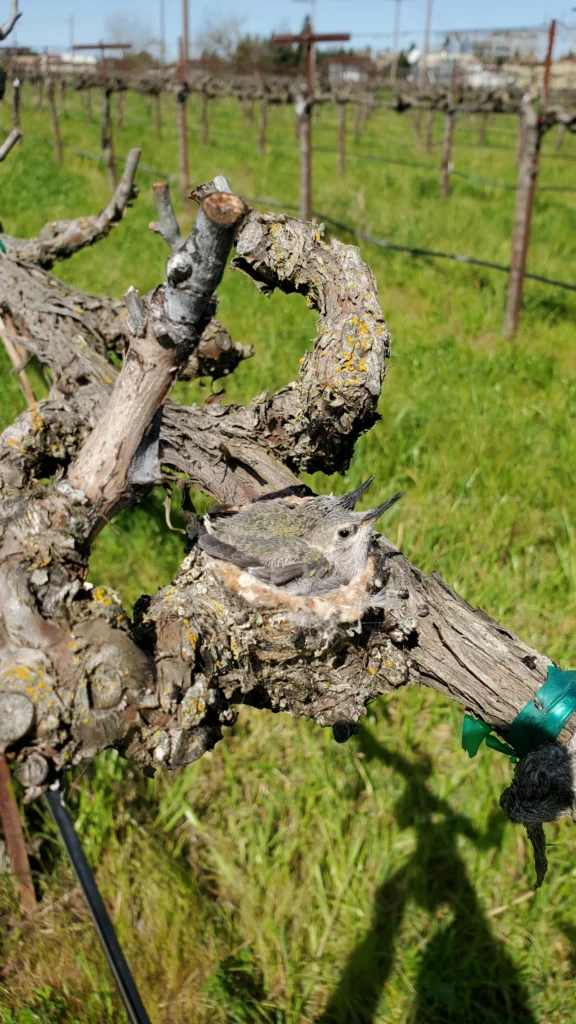
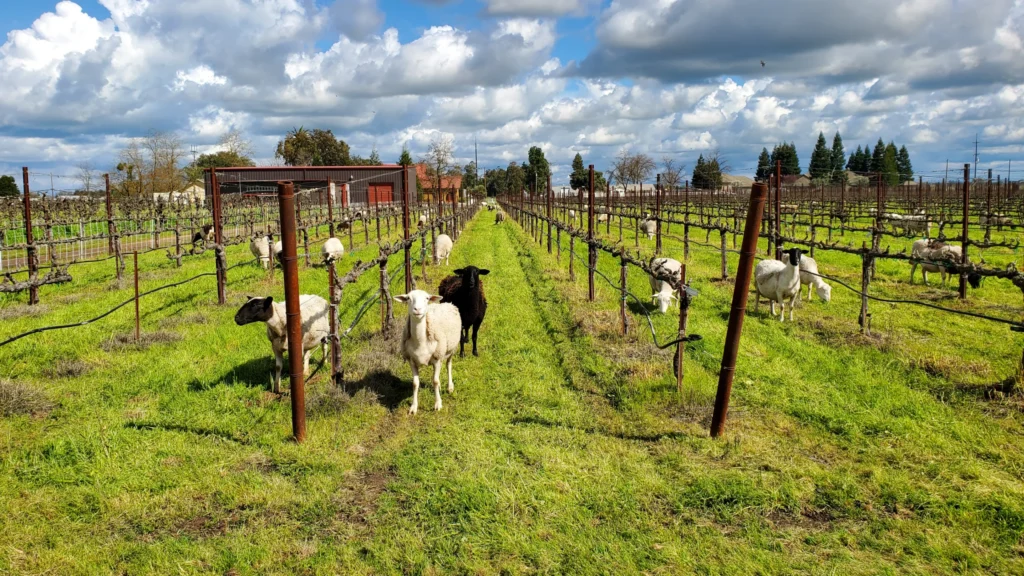
Livestock integration: our first year with sheep. While they busted up our irrigation lines, they also organically mowed down the cover crop, gave us more natural fertilizer, increased our hummingbird population (they like to use the wool for nests), and thoroughly entertained us.
New technical installations: off grid solar to power the irrigation system, soil moisture probes to aid irrigation decisions, and a weather station to give us real time, on property data.
Pruning technique: this is a big one; some of the most basic practices can have detrimental effects. With more careful pruning, we can extend the lifespan of the vineyard. We found that the simple act of teaching the crew why they are pruning made all the difference; invest in your people. Making cuts for sap flow instead of position and cleanliness will take you the distance. Compounded with other practices, we’ve already seen an encouraging revival in our oldest block. It does take more time, thought, and skill but immediate benefits are apparent.
With 2026 just beginning, each year will need a little tinkering to adapt to the new season, and a change like this isn’t all rainbows and butterflies. We’ve run into new problems that need addressing, like vermin. We’ve created an ideal habitat for them and discovered that gophers love clover, which is a good portion of our cover crop mix. This year we’ll take a breather, work out the kinks and improve on our current systems, but the ultimate goal remains the same; farm for the next 30 years, not the next harvest.