This one took a little digging.
The California State Fair Wine Competition is the oldest in the country, dating back to 1854 — born in the Gold Rush, when a flood of thirsty miners turned California into a wine market almost overnight. I had grand plans of tracking down every white wine winner across 170-plus years of archives. Then reality set in. (Even AI tapped out, telling me a complete list would be a “proper research project requiring primary source work.” Lesson noted.) What I found instead turned out to be far more interesting than any list.
The early fairs were gloriously scrappy. The young State Agricultural Society wanted a stage to show off everything California could grow, and the wine tables reflected it — cider, “champagne cider,” brandy, lager beer, even tea plants all jostling for a prize alongside the wines. And winning wasn’t a ribbon. It was cash: the best in each class took home a premium, real money for an industry still figuring itself out.
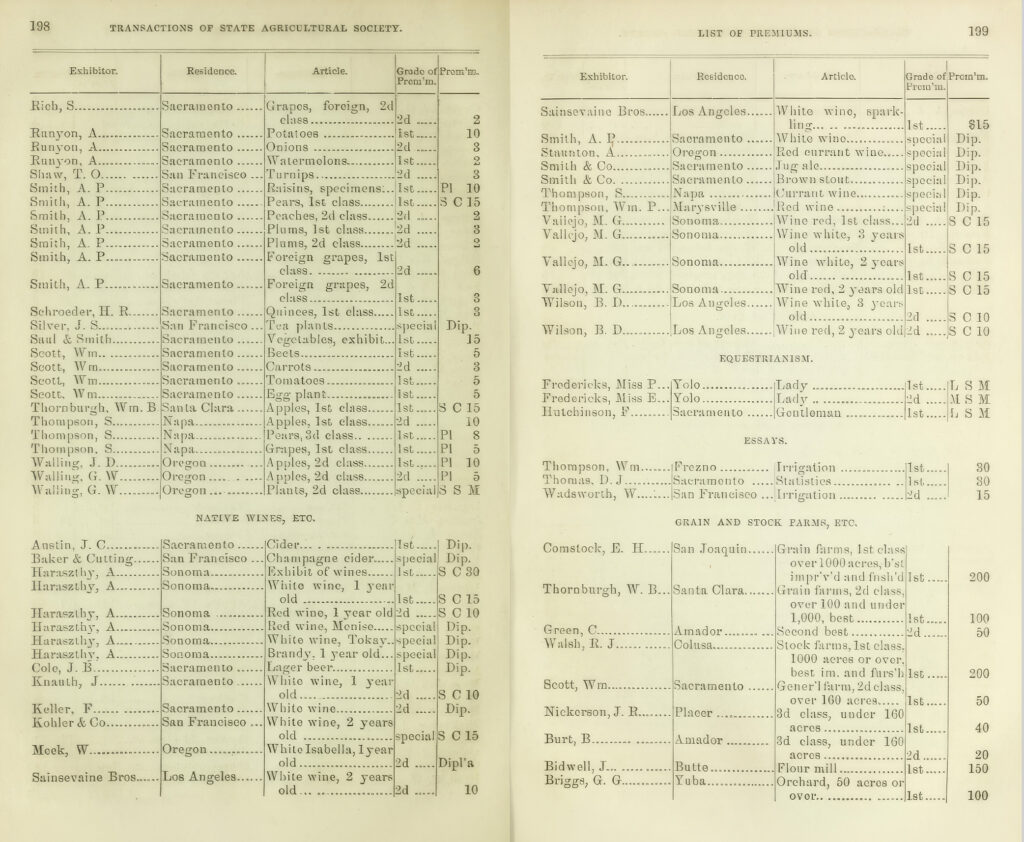
For a while, the winning was a small club. Between 1854 and 1860, just four men carried off roughly 70% of the wine and grape awards. Flip through the 1859 results and the pattern leaps off the page — A. P. Smith of Sacramento alone appears again and again, collecting premiums for everything from raisins and pears to peaches and foreign grapes. Then came the long detour. Prohibition arrived in 1919 and all but erased the business, collapsing more than 800 wineries to 140 by 1933, with production down a staggering 94%. Recovery crawled: even with UC Davis and a stubborn handful of advocates pushing the rebuild, it took until 1960 to claw back to 271 wineries — and another half-century to reach pre-Prohibition volume.
The plot twist came in 1976. At a now-legendary blind tasting in Paris, an all-French jury — fully expecting to crown the home team — instead ranked California’s wines first in both the white and red flights. The “Judgment of Paris” rewired how the world saw California wine, and entries have flooded competitions like the State Fair ever since. Today, nearly 40 judges work through well over 1,500 wines from more than 300 California brands across eleven growing regions.
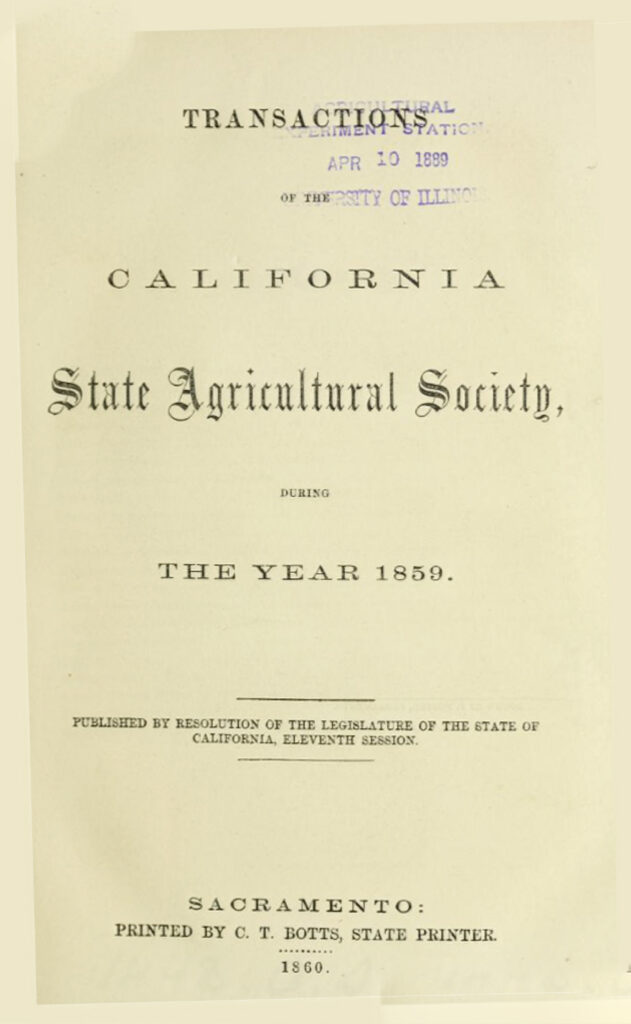
But the part that stopped me was 1859.
Back then there was no “Best of Show.” Winners earned cash premiums recorded in a transactional report, with white wines sorted mostly by age. First place for white wine aged one year went to A. Haraszthy of Sonoma — Agoston Haraszthy, original owner of Buena Vista and the man often called the father of California winemaking. First place for whites aged two and three years went to M. G. Vallejo. And yes — that Mariano Vallejo.
The grape varieties weren’t even listed; European varieties were still a rarity in California at the time.
In 1859, Sonoma took top white honor.

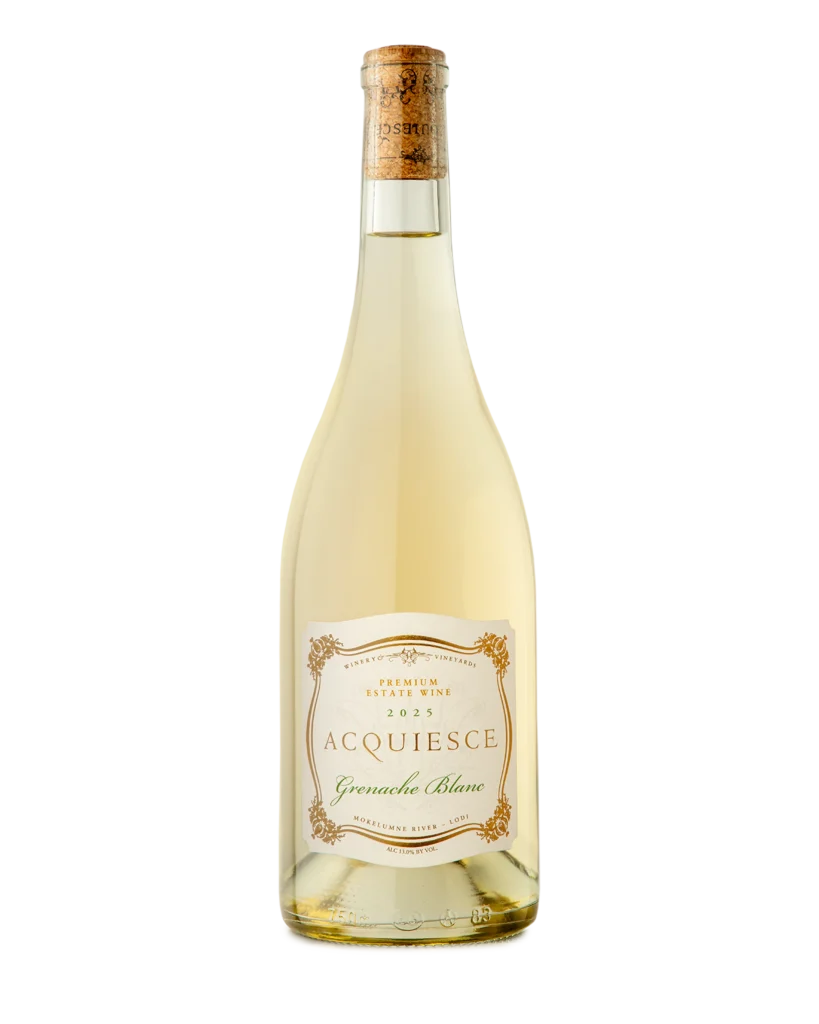
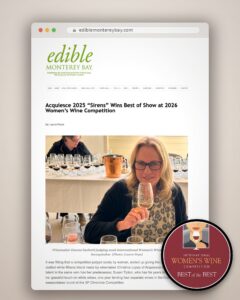
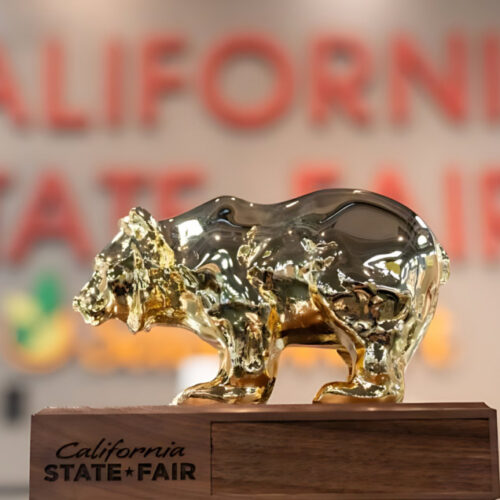
In 2026, it’s the 2025 Acquiesce Grenache Blanc
— out of little ol’ Lodi — that earned Best of Show White at the California State Fair Wine Competition, along with Best of Region White and Best of California, on a 99-point, Double Gold score.
Winning a Best of Show is an honor on its own. But to stand in a lineage that includes names like Haraszthy and Vallejo is something I never imagined when we planted these vines.
Winemakers tend to get the glory, but it takes far more than one person to earn an award like this.
Our farm workers, PCAs, applicators, harvest hands, tasting room staff, and ownership all have to come together — on the page and on principle — to make it work.